Tree pollent3

Birch allergy

Birch pollen is one of the most common causes of pollen allergy in northern and central Europe. Many people with birch allergy also get an itchy mouth from certain fruits, nuts and vegetables.

Allergen
Birch Betula verrucosa
Allergen code
t3
Season
April–May
Key allergens
Bet v 1, Bet v 2, Bet v 4
Included in
3 tests
Contents
  1. What is birch allergy?
  2. Symptoms
  3. When does birch flower?
  4. Cross-reactivity with food
  5. How to get tested
  6. Frequently asked questions

What is birch allergy?

In birch allergy, the immune system reacts to proteins in pollen from birch trees. The body has formed IgE antibodies to the pollen, and when you breathe it in, histamine and other substances are released that cause symptoms in the nose, eyes and airways.

The most important allergen in birch pollen is called Bet v 1, and almost everyone with birch allergy has IgE to it. Bet v 1 resembles proteins in alder and hazel pollen and in several fruits, nuts and vegetables. That is why birch allergy is so often linked to other allergies.

Symptoms

  • Sneezing and a runny or blocked nose
  • Itchy, red and watery eyes
  • Itching in the roof of the mouth and the throat
  • Coughing, wheezing or asthma during the pollen season
  • Tiredness and poorer sleep

Symptoms follow pollen levels. They are often worst on sunny, windy days and milder when it rains.

When does birch flower?

In much of central and northern Europe, birch flowers in April and May. The further north you go, the later the season: in northern Sweden, for example, it runs from May into June. The season is short but intense. Because alder and hazel flower earlier, people who react to all three can have symptoms from late winter into early summer.

Cross-reactivity with food

Many people with birch allergy get itching or tingling in the mouth when they eat certain raw foods. This is called oral allergy syndrome and happens because proteins in the food resemble Bet v 1. The most common are:

The proteins are often destroyed by heat, so many people can eat these foods cooked or baked. Large amounts of lightly processed soy, such as soy drinks or protein powder, can however cause stronger reactions.

How to get tested

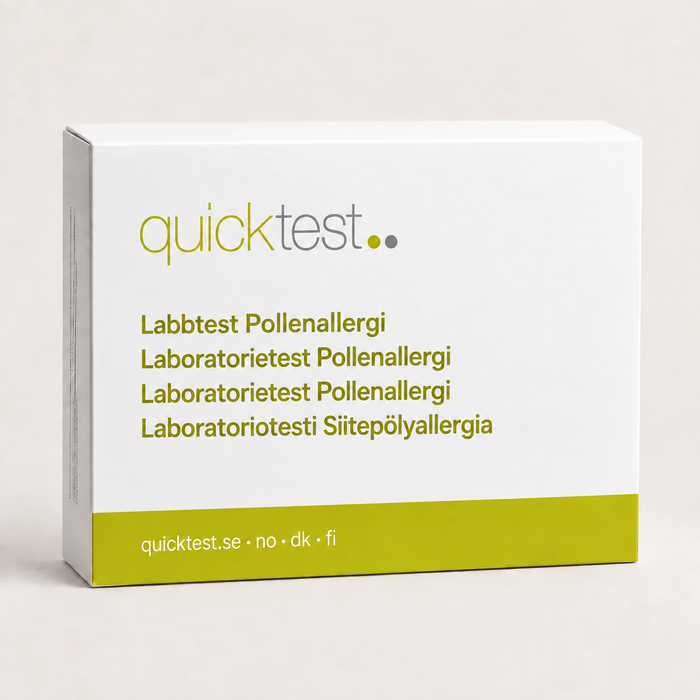
A blood test shows whether you have IgE antibodies to birch pollen (allergen code t3). Birch is included in our broader allergy tests and in our Pollen allergy test, which also measures alder, hazel, timothy grass and mugwort. You can take the test at any time of year, because IgE remains in the blood outside the pollen season.

Detectable IgE means that you are sensitised to birch. Whether birch is actually what causes your symptoms depends on when and how you get them.

Frequently asked questions

Can birch allergy go away?

Birch allergy is usually lifelong, but symptoms can vary from year to year depending on how much pollen there is. Allergen immunotherapy can reduce symptoms in the long term. Talk to your doctor if your symptoms are severe.

Why does my mouth itch when I eat apples?

The protein in apple resembles Bet v 1 so closely that the immune system mistakes it for birch pollen. The itching is usually mild and passes within a few minutes. Cooked or baked apples are usually fine, and some apple varieties cause fewer symptoms than others.

Do I have to get tested during the pollen season?

No. IgE to birch can be measured all year round, so you can get tested well before the season starts.

This text is general information and does not replace an assessment by a healthcare professional. In an emergency, call 112. If you have questions about your health, contact your doctor.

Tests for birch allergy

You take the sample yourself at home. The tests measure IgE antibodies in a capillary blood sample.

Tree pollen

In much of Europe, hazel and alder flower from late winter, and birch in April–May. Olive and cypress grow mainly around the Mediterranean, and plane is a common street tree in cities in southern and central Europe.

All allergens A–Z

Find the right test in 1 minute

We offer three types of tests - choose the one that suits you best.

Self-test: quick response at home directly.
Lab test - sampling at home: Take the sample yourself and send it to a lab for analysis.
Lab test - sampling clinic: sampling at a clinic or sampling site.

You will receive clear information about what the test shows, how it is used and what the next steps may be.